


You Have an ERP.
Why Is Production Still Planned in Excel?

You Have ERP.
Why Is Production Still Planned in Excel?

ERP software generate plans.

They don’t manage production.

When constraints appear, Excel take over.

If Excel runs production,

your ERP only generates reports.

ERP systems generate plans.

But when capacity, shifts, and constraints come into play, spreadsheets take over.

If your team leaves the system to make the plan work, something is broken.

Your ERP is not managing production — it is managing theory.

Without finite capacity planning, delivery risk is inevitable.

A stressed production manager surrounded by piles of paperwork and a chaotic whiteboard schedule, symbolizing the schedule instability caused by unrealistic production planning.
Schedule Instability
When production plans are not constraint-based, frequent schedule changes become normal. Teams lose visibility, shop-floor coordination weakens, and operational stress increases. What looks like flexibility often hides systemic instability.
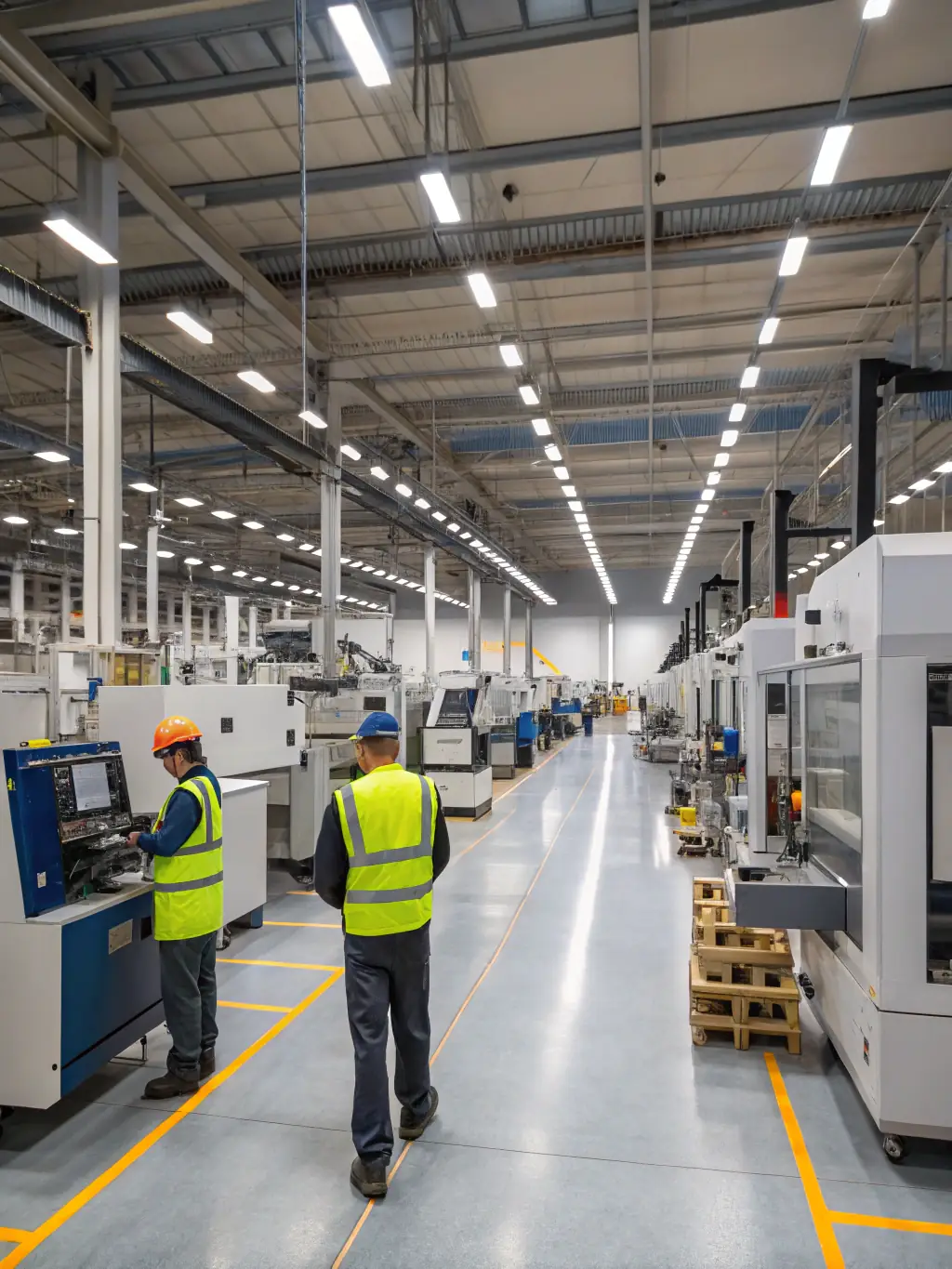
A factory floor with machines idle and workers standing around, representing the capacity overloads and bottlenecks caused by poor planning.
Capacity Overloads
ERP-generated plans often ignore real capacity limits. When workload exceeds actual machine or labor availability, bottlenecks emerge late. The result is reactive firefighting, delayed orders, and reduced overall equipment effectiveness.
An employee working late at night on a complex Excel spreadsheet, illustrating the manual replanning efforts required to compensate for flawed ERP plans.
Manual Replanning
When disruptions occur, Excel becomes the control center. Hours are spent adjusting schedules manually. This dependency consumes planning capacity and prevents teams from focusing on optimization and continuous improvement.
A delivery truck stuck in traffic, symbolizing the delivery risks and customer dissatisfaction resulting from unreliable production schedules.
Delivery Risk
Unrealistic schedules increase late delivery risk. Missed commitments affect revenue, customer trust and long-term competitiveness. Delivery reliability is not a reporting metric — it is a strategic advantage.

SkyPlanner APS: Real-World Production Scheduling

SkyPlanner APS enhances your existing ERP by adding an intelligent production planning layer.

It models real operational constraints — finite capacity, shift calendars, maintenance schedules and material availability — and transforms theoretical plans into executable schedules.

With AI-driven recalculation and seamless REST API integration, your ERP remains the system of record while scheduling becomes intelligent and responsive.

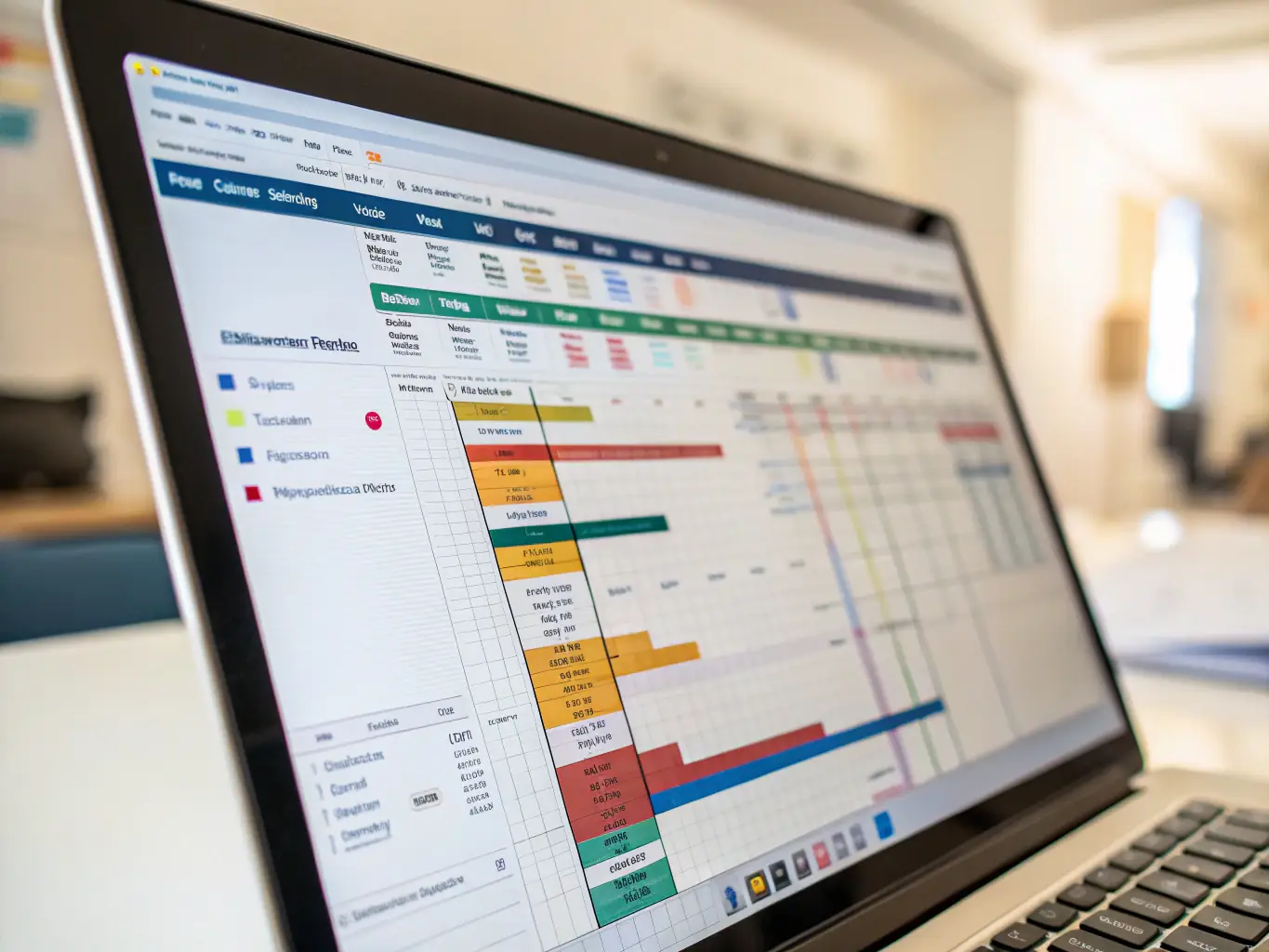
A detailed Gantt chart visualization within SkyPlanner APS, showcasing a production schedule with various tasks, dependencies, and resource allocations, highlighting the software's ability to manage complex manufacturing operations.

Gantt-Based Visibility

Interactive Gantt visualization provides full transparency across machines, lines and plants. Identify bottlenecks early, manage dependencies clearly, and make informed scheduling decisions with confidence.

Real-Time Data Integration

SkyPlanner connects to your ERP and operational data in real time. Monitor production progress, track material status, and detect potential delays before they disrupt execution.

AI-Driven Rescheduling

When priorities shift, disruptions occur, or capacity changes, schedules are recalculated in seconds.Reduce downtime and eliminate manual spreadsheet adjustments.

Production planning should adapt to reality — not fight it.

Ready to move from reactive planning to controlled scheduling?

If your production plan changes daily and spreadsheets control execution, it’s time to add intelligent constraint-based scheduling — without replacing your ERP.

Experience Your Own Production Scenario — Live

See how finite capacity scheduling adapts to your real constraints — capacity, shifts, maintenance and material availability. Start with a free demo account and evaluate your scheduling logic in just 30 minutes.

No ERP replacement.
No long implementation project.
Start small.
Scale when ready.

FAQ

Here, we’ve compiled answers to the most common questions about SkyPlanner APS software and services.

If you are on a monthly billing plan, you can decrease or increase the number of workstations at any time. You can also cancel your subscription at any time.

No, we don’t require your credit card details when you register. When the free trial period ends and you decide to continue using SkyPlanner, you will be asked to choose a paid plan and enter your billing information.

Yes, we offer a 30-day free trial period during which you can test all of SkyPlanner’s features. We do not require your credit card details when you start the trial period of SkyPlanner.

Yes, additional features are available for an extra charge. Please get in touch with our sales team for more information.


During the 30-day Trial version, you can add up to a maximum of 20 workstations. This allows you to try out SkyPlanner’s basic features before making a purchase decision.

SkyPlanner can be translated into all languages. It is designed to be easily translatable. Contact us, and let’s discuss this further.

No, it’s not available on-premises.

Using an ERP with SkyPlanner APS adds finite capacity intelligence and AI-driven rescheduling, transforming manual planning and spreadsheets into more responsive and accurate production schedules, thereby reducing scheduling limitations.